Optimize Your Sleep Cycles for Better Rest
SleepWise helps you plan your sleep schedule based on natural sleep cycles. Wake up refreshed by falling asleep at the right time.
Sleep Quality Report
Sleep Cycle Calculator
Based on the science of sleep cycles, this calculator helps you find optimal sleep and wake times for your age group.
Go to bed at one of these times:
Sleep Resources
Explore our collection of articles and resources to help you understand the science of sleep and discover practical tips for improving your sleep quality.
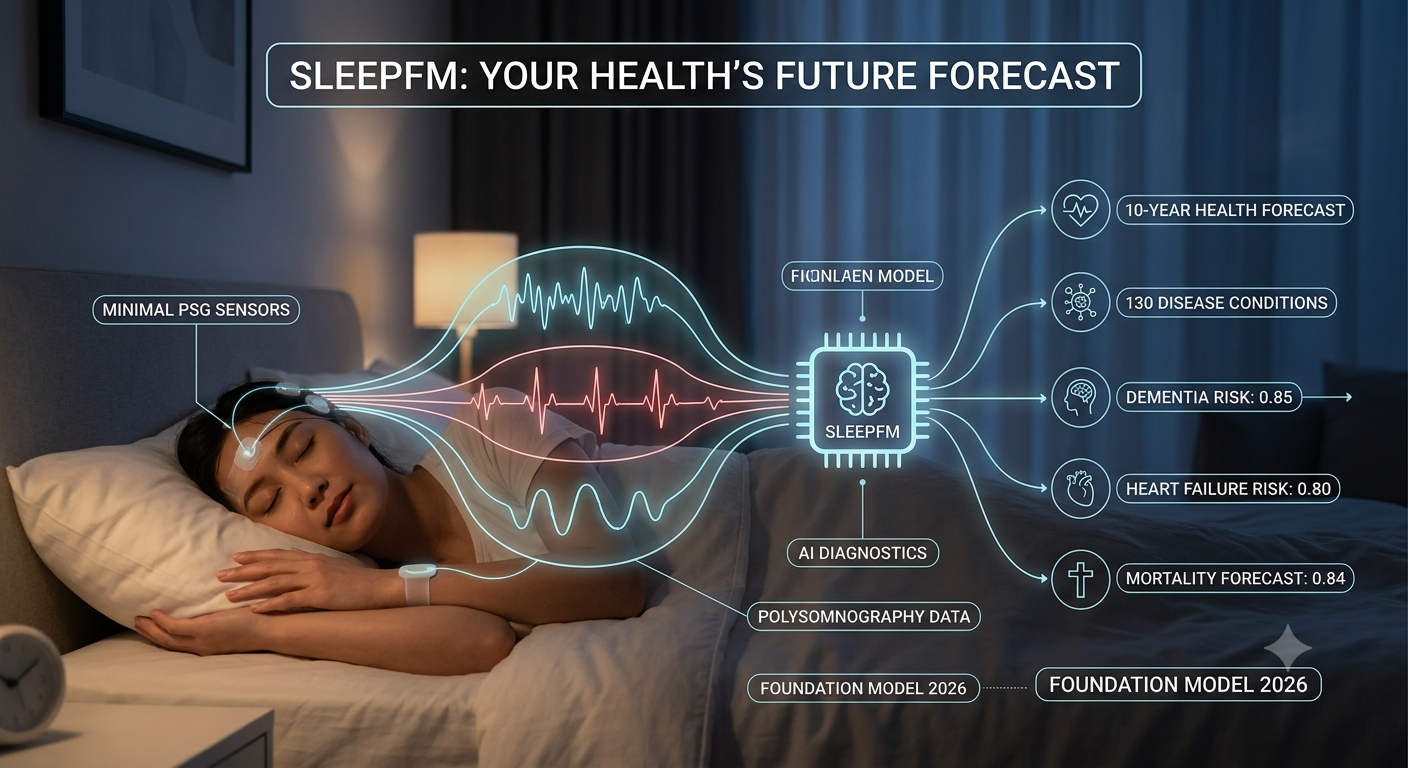
SleepFM: Predictive Health via AI Foundation Models, Explained
SleepFM is changing how researchers think about sleep data. Learn how this AI foundation model uses clinical sleep signals and long-term health records to forecast disease risk, support predictive health tracking, and shape the future of AI sleep diagnostics in 2026.
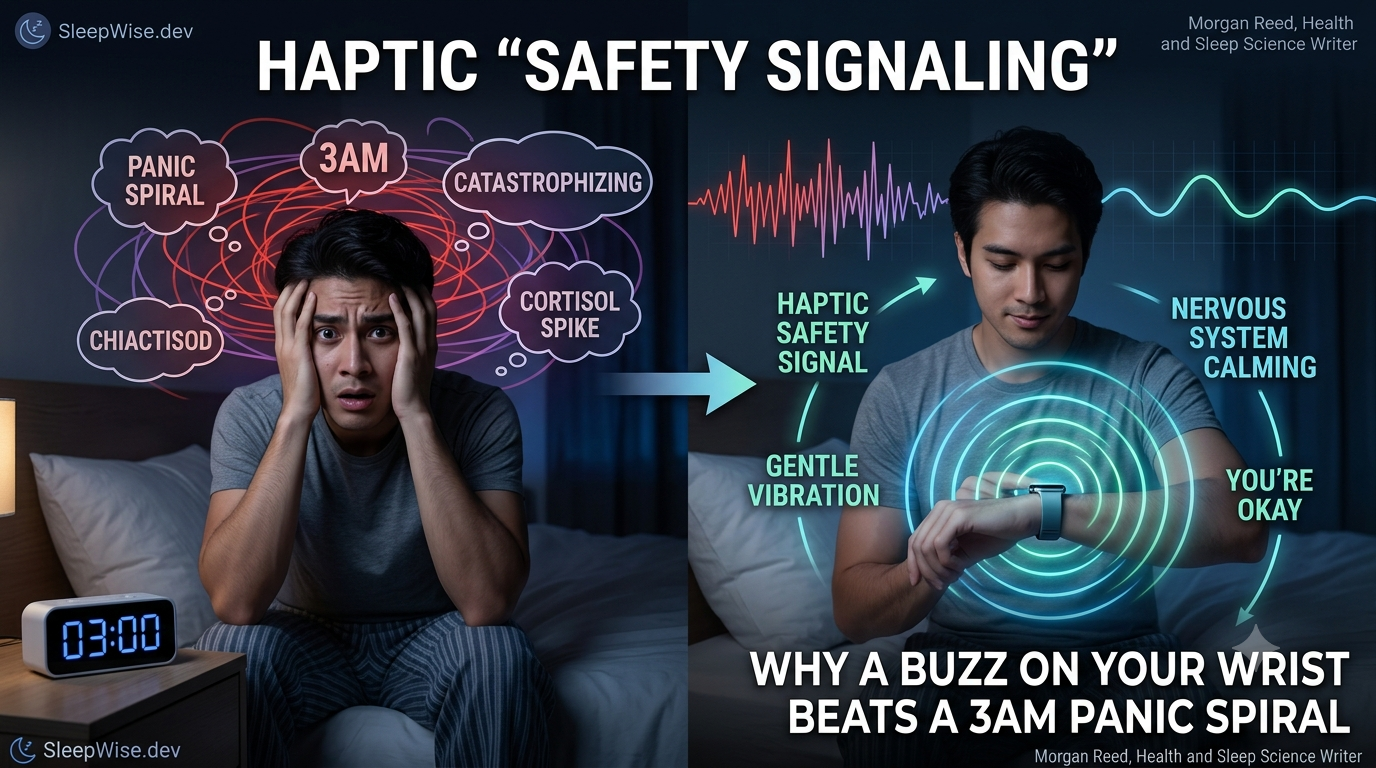
Haptic Safety Signaling for Middle-of-the-Night Awakenings
Waking up anxious at 3 AM can turn a normal sleep interruption into a panic spiral. Learn how haptic safety signaling uses gentle wearable vibration patterns to calm the nervous system, support sleep anxiety relief, and help you fall back asleep without light or sound.
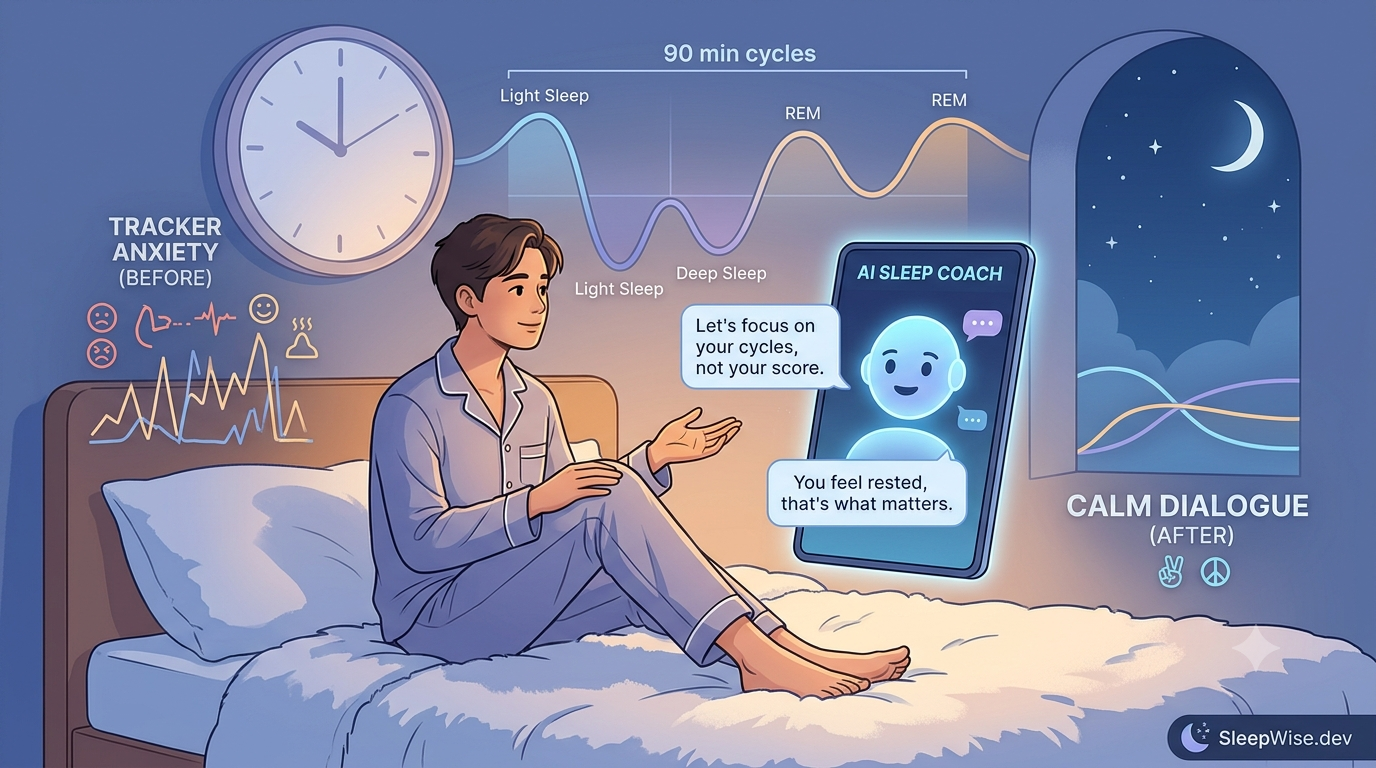
Conversational AI Sleep Coaches: The End of Orthosomnia in 2026
Sleep scores were supposed to help, but for many people they created more anxiety. Learn how conversational AI sleep coaches use context, sleep data, and cycle-based guidance to reduce orthosomnia, support recovery, and make sleep tracking calmer in 2026.
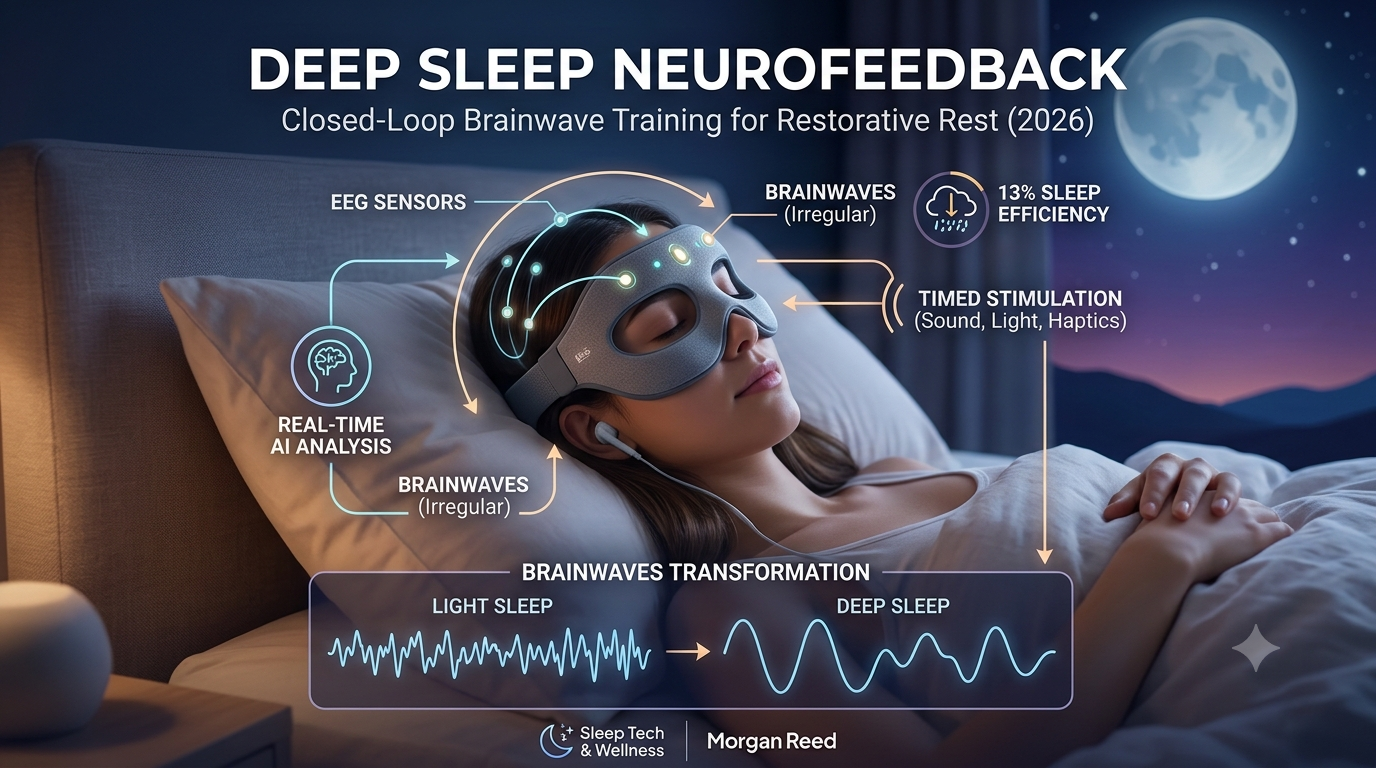
Closed-Loop Neurofeedback for Deep Sleep Induction: Train Your Brain Into Deep Sleep in 2026
Can sleep tech do more than just track your rest? Learn how closed-loop neurofeedback uses real-time EEG, AI, and timed stimulation to help train your brain toward deeper, more restorative sleep in 2026.

Bamboo Tech Sleepwear vs. Smart Beds: Which One Actually Helps You Sleep?
Trying to sleep cooler without spending thousands on a smart bed? Compare bamboo tech sleepwear and smart beds for temperature control, cost, comfort, sustainability, and real-world sleep benefits in 2026.
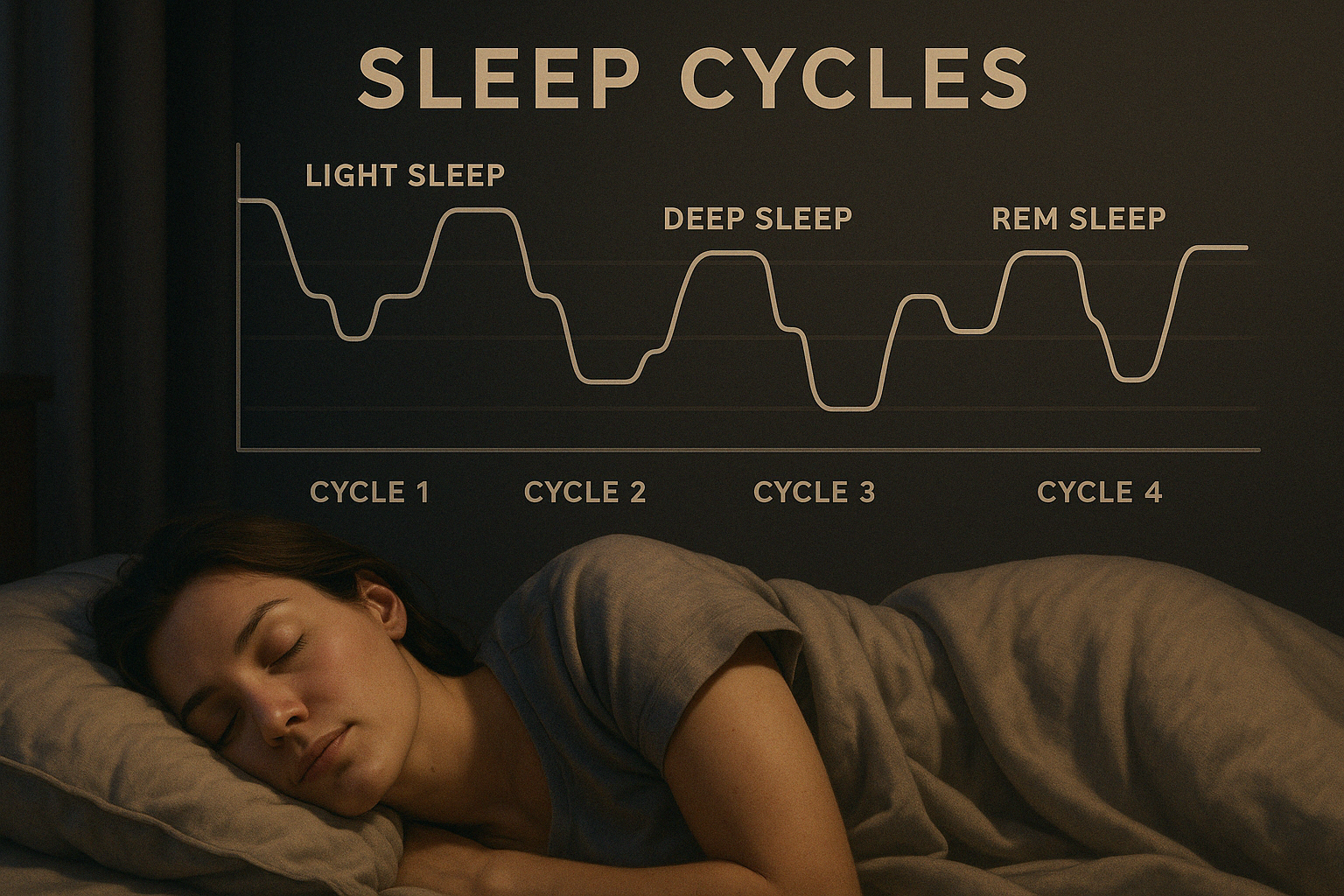
Sleeping in 90 Minute Cycles: The Best Way to Wake Up Refreshed Every Morning
Learn how sleeping in 90 minute cycles can help you wake up feeling more refreshed. Discover the science behind sleep stages, how to time your bedtime, and how to use cycle-based sleep planning to reduce grogginess.
Understanding Sleep Science
Learn how sleep cycles work and why optimizing your sleep schedule can dramatically improve your daily life.
Sleep Cycles
Sleep cycles last about 90 minutes and repeat 4-6 times per night. Each cycle consists of different stages, from light sleep to deep sleep and REM.
REM Sleep
REM (Rapid Eye Movement) sleep is crucial for cognitive functions like memory consolidation and learning. It typically occurs more in the latter parts of your sleep period.
Deep Sleep
Deep sleep is vital for physical recovery, immune system health, and growth hormone release. Most deep sleep occurs during the first half of the night.
Sleep Duration
Adults need 7-9 hours of sleep per night, though individual needs vary. Consistently getting enough sleep is as important as diet and exercise for overall health.
Sleep Quality
Quality sleep means falling asleep quickly, sleeping without interruptions, and waking up feeling refreshed. Environment, habits, and health all influence sleep quality.
Sleep Fit Score
A color-coded metric that shows how well your sleep duration aligns with your age-based recommendation. Aim for 'Excellent' by matching your recommended hours!
Sleep Recommendations by Age
| Age Group | Recommended Hours | Notes |
|---|---|---|
| Newborns (0-3 months) | 14-17 hours | Including naps throughout the day |
| Infants (4-11 months) | 12-15 hours | Including 2-3 naps during the day |
| Toddlers (1-2 years) | 11-14 hours | Including one nap |
| School-age (6-13 years) | 9-11 hours | Consistent bedtimes important |
| Teens (14-17 years) | 8-10 hours | Often struggle with early school start times |
| Adults (18-64 years) | 7-9 hours | Individual needs may vary |
| Older Adults (65+ years) | 7-8 hours | May have more fragmented sleep |
Source: National Sleep Foundation recommendations