 Sleep Health & Wellness
Sleep Anxiety: Why You're Awake at 3 AM (And How to Fix It)
By Morgan Reed · Health and sleep science writer · Published April 20, 2025 · Updated March 24, 2026 · 7 min read
Tired of staring at the ceiling at 3 AM? Learn how sleep anxiety traps your brain in a vicious cycle—and how to break free using mindfulness, environment tweaks, and science-backed strategies.
Why You Wake Up at 3 AM With Anxiety — And How to Actually Fix It
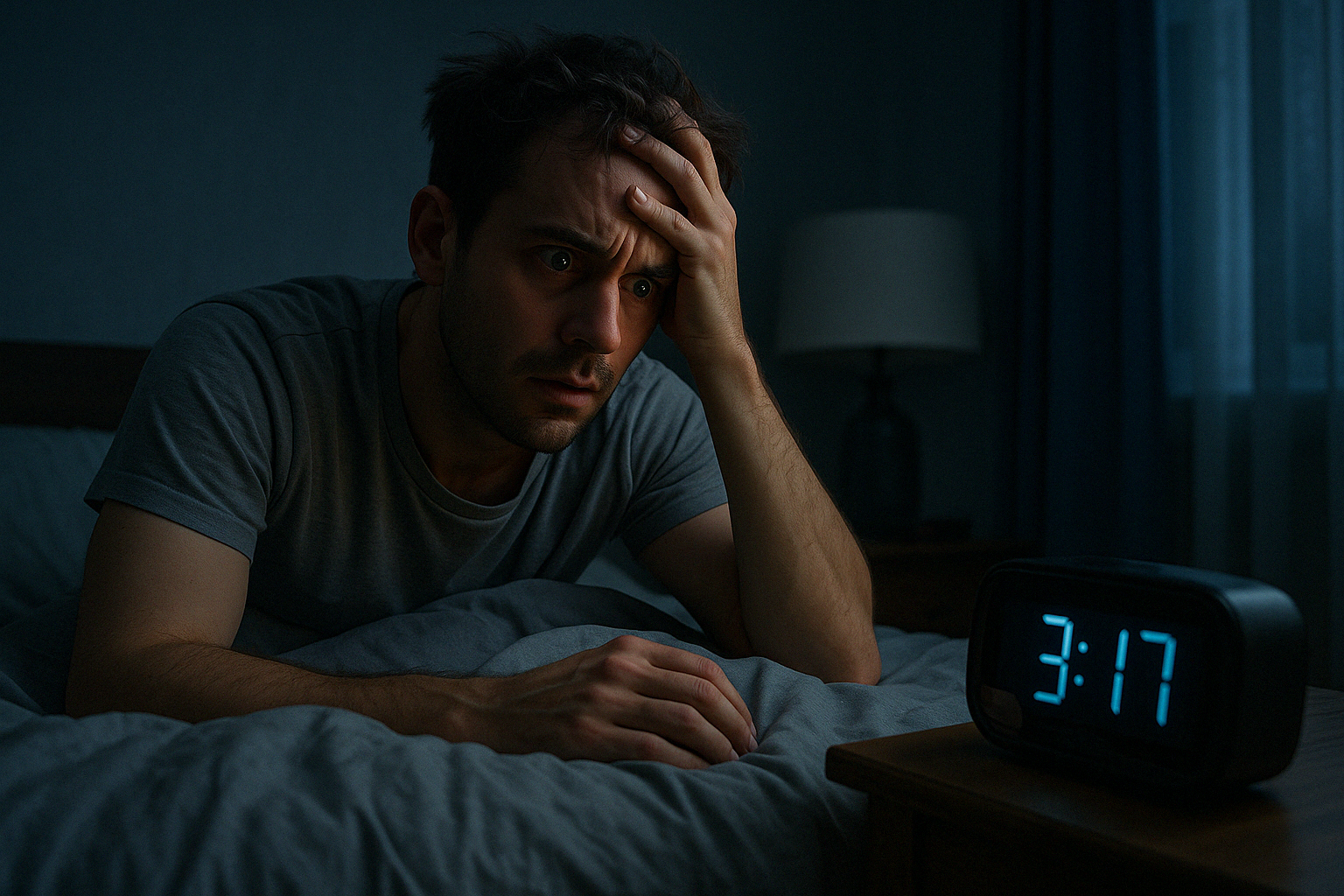
It happens the same way every time. You're asleep, then suddenly you're not — eyes open, heart thumping, brain already running through tomorrow's to-do list. The clock reads 3 AM. Sleep anxiety has pulled you out of rest and into a loop of worry that makes falling back asleep feel impossible. You're far from alone in this experience, and there are real, science-backed reasons it keeps happening — along with practical ways to stop it.
Key Takeaways
Question
Answer
What causes waking up at 3 AM with anxiety?
A stress hormone surge during lighter sleep stages triggers the brain's alert system, pulling you awake and into anxious thought loops.
Is sleep anxiety common?
Yes — research indicates nearly 40% of Gen Z adults experience it at least three times per week.
Does sleep perfectionism make insomnia worse?
It often does. Obsessing over a "perfect" sleep routine creates performance pressure that keeps the brain alert instead of relaxed.
What mindfulness techniques help with sleep anxiety?
Body scans, the 4-7-8 breathing method, and thought-dumping exercises all interrupt the stress cycle effectively. Read more in our guide on how to fall asleep faster.
Do I need apps or devices to fix sleep anxiety?
No. The most effective strategies require nothing but your breath, a notebook, and some environmental changes.
When should I see a professional about sleep anxiety?
If sleep problems persist for more than a month, affect daily functioning, or come with panic attacks or depression, professional support is the right step.
What is the best therapy for sleep anxiety?
Cognitive Behavioral Therapy for Insomnia (CBT-I) is consistently shown to outperform sleep medications for long-term improvement.
What Sleep Anxiety Actually Is — and Why It Feels So Relentless
Sleep anxiety is not simply feeling nervous about bedtime. It's a full physiological stress response triggered by worried thoughts about sleep itself. Your mind notices you're not asleep, which feels threatening, and your body responds by releasing cortisol and adrenaline — the exact hormones designed to keep you alert and awake.
The cycle is genuinely cruel. You worry about not sleeping, which activates your body's alarm system, which keeps you awake, which gives you more to worry about. By the time you realize what's happening, the loop is already spinning.
What makes it particularly hard to escape is that the brain begins to associate the bed itself with wakefulness and stress. Over time, simply lying down becomes a trigger for anxiety rather than a cue for rest.

Why 3 AM Specifically? The Biology Behind the Wake-Up Window
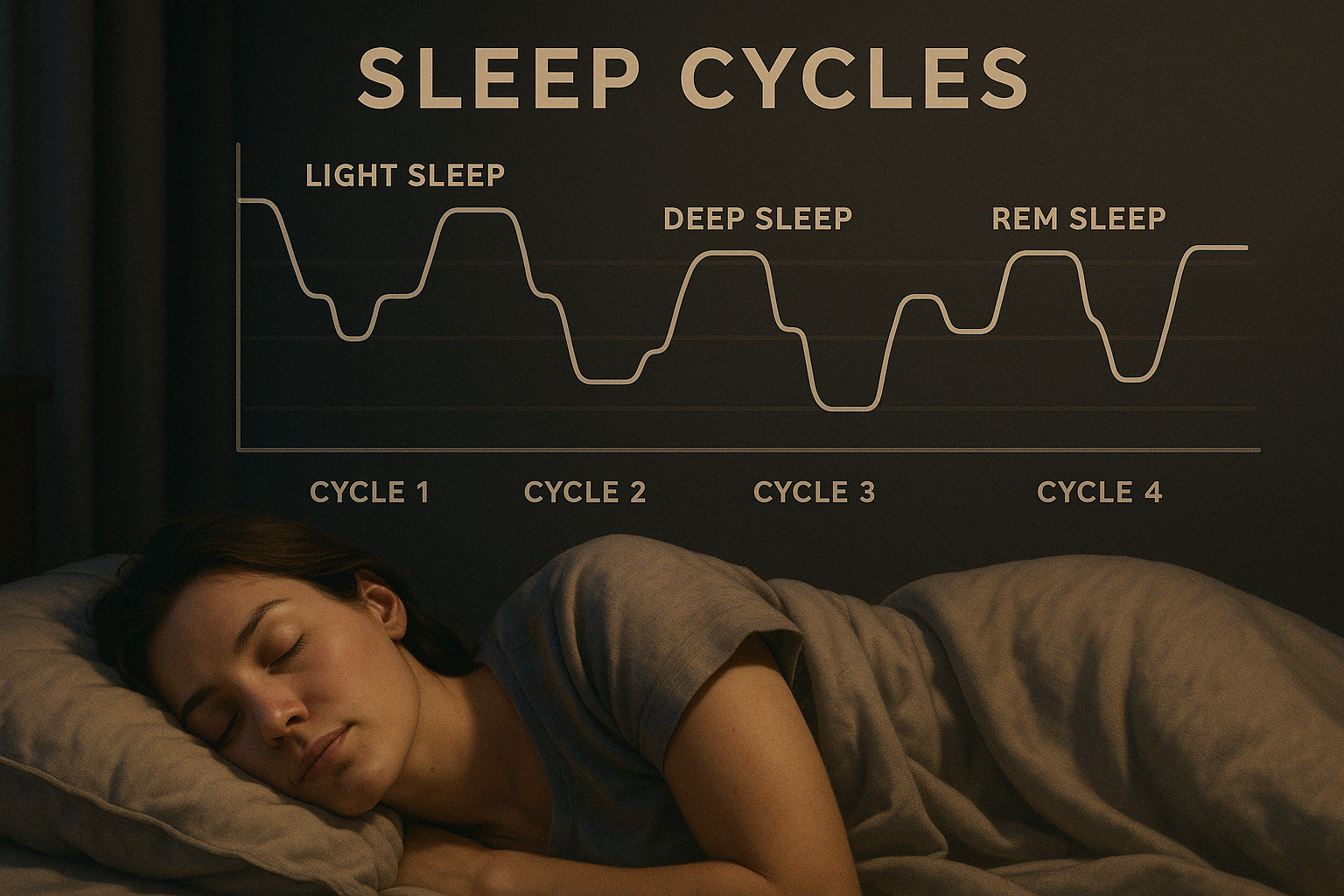
Three in the morning is not a random time to wake up in distress. It corresponds to a natural transition between sleep stages. Around that hour, the body shifts from deep, slow-wave sleep into lighter REM sleep — a stage where the brain is more active and more easily disturbed by internal signals like cortisol.
Cortisol levels begin rising naturally in the early morning hours to prepare the body for waking. In people with sleep anxiety, this rise can come earlier or more sharply than usual, pulling them into partial consciousness right at the point where the brain is already busy processing emotions and memories.
Understanding how sleep cycles work helps explain why the 3 AM window is so common. If you went to bed around 11 PM, you've likely completed several 90-minute cycles by that point, and lighter sleep is exactly where you'd expect to land.
Why Younger Adults Are Hit Hardest by Sleep Anxiety
Research consistently shows that Gen Z adults — those roughly between 18 and 27 — report sleep anxiety at significantly higher rates than older generations. Studies put the figure at close to 40% experiencing it multiple times each week. Several factors stack up to create this pattern.
-
Constant notifications: Phones light up with alerts throughout the night, training the brain to stay partially alert even during sleep.
-
Social comparison: Scrolling through curated highlight reels triggers stress hormones that linger long after the screen goes dark.
-
Productivity culture: The message that rest is laziness creates guilt around sleep, turning it into a performance rather than a natural state.
-
Information overload: The sheer volume of news and content consumed daily keeps mental chatter running well past midnight.
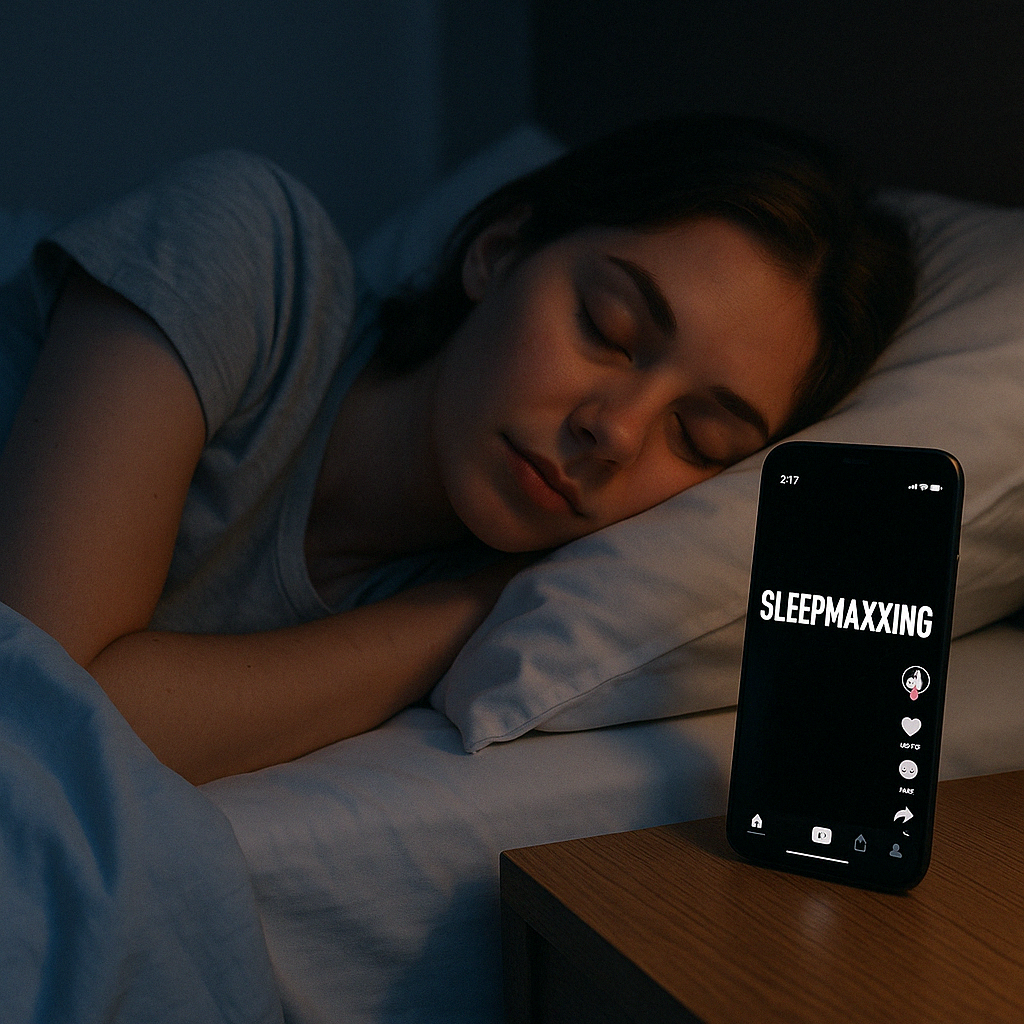
The irony is that this same generation has also become the most interested in sleep optimization — tracking, timing, and analyzing rest with an intensity that sometimes backfires. The sleepmaxxing trend spreading across social platforms is a direct reflection of this preoccupation.
The Sleep Perfectionism Trap — When Healthy Habits Become the Problem
There's an important difference between good sleep hygiene and sleep perfectionism. Good habits — consistent bedtimes, limiting caffeine, keeping screens out of the bedroom — genuinely support rest. Sleep perfectionism is what happens when those habits become rules, and breaking any rule triggers anxiety.
If you recognize any of the following, perfectionism may be working against you:
-
You feel genuine panic when you miss your target bedtime by 20 minutes.
-
The first thing you check each morning is a sleep tracker score.
-
You feel like you've failed when your deep sleep percentage looks low.
-
You decline social plans because they might push your bedtime back.
-
You lie awake calculating how many hours of sleep you can still get.
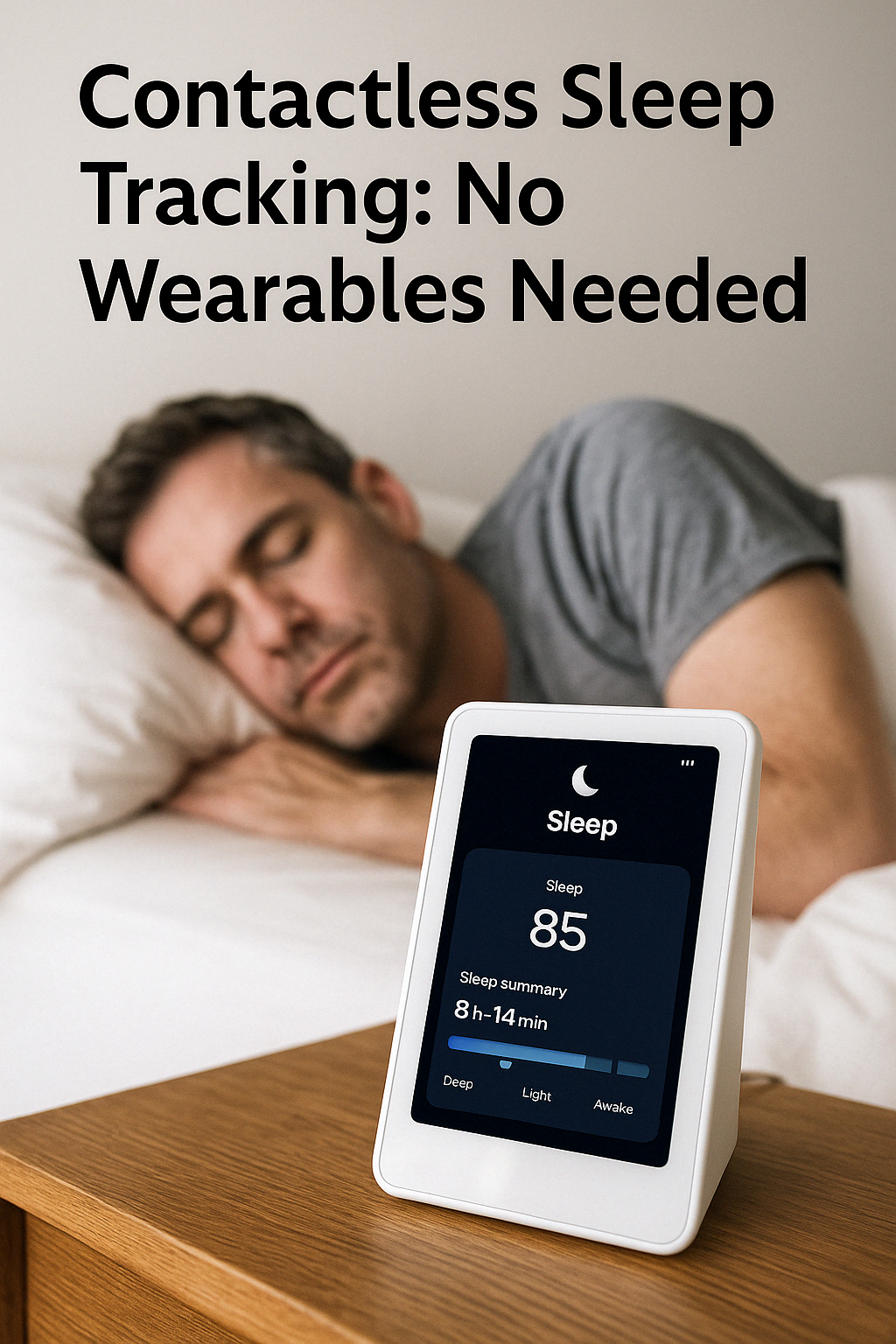
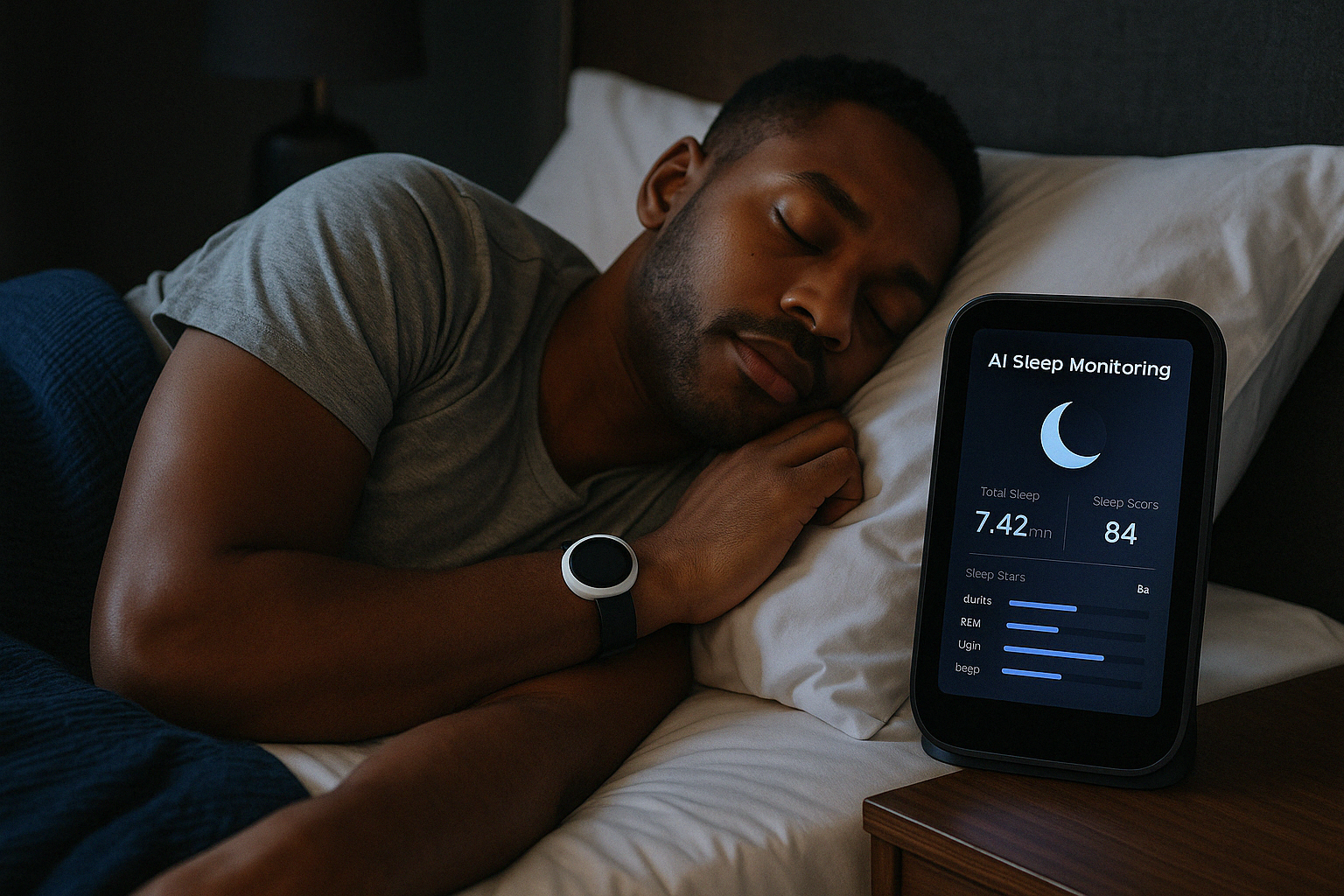
Paradoxically, the harder you try to control sleep, the more elusive it becomes. Sleep is a passive process — it happens when the brain feels safe enough to let go, not when it's under pressure to perform. Tools like contactless sleep tracking can support awareness without adding the pressure of obsessive monitoring.
Three Mindfulness Techniques That Interrupt the Anxiety Cycle
Mindfulness works for sleep anxiety because it directly counters the stress response. Instead of fighting wakefulness — which amplifies it — these techniques shift the nervous system into a calmer state where sleep can naturally return.
The Body Scan
Starting at your toes, slowly bring attention to each part of your body in turn, noticing any tension and consciously releasing it before moving upward. The key is deliberate, unhurried attention. Most people find this takes between five and ten minutes and is enough to quiet racing thoughts.
The 4-7-8 Breathing Method
Inhale slowly through your nose for a count of four. Hold the breath for seven counts. Then exhale fully through your mouth for eight counts. Repeat the sequence four times. This pattern activates the parasympathetic nervous system — the part of your body responsible for rest and recovery — and works as a reliable physiological reset when anxiety spikes.
Thought Dumping
Keep a notebook on your nightstand. When thoughts start circling, write them down without editing or analyzing — just get them out of your head and onto paper. Finish by noting three things that went well that day. This process gives the brain's problem-solving circuits a signal that the worries have been acknowledged, reducing the urgency to keep cycling through them.
Building a Bedroom Environment That Supports Calm
The physical space where you sleep has more influence over anxiety than most people realize. The brain forms strong associations between environments and states of mind. If your bedroom has become a place where you lie awake worrying, those associations work against you every night.
Here's what the evidence supports for a sleep-conducive environment:
Factor
Target
Why It Matters
Light
As dark as possible
Even small light sources suppress melatonin production
Temperature
Around 65°F / 18°C
Core body temperature must drop for sleep onset
Sound
Quiet or consistent white noise
Sudden noise changes trigger arousal; consistent sound masks interruptions
Phone presence
Out of the room entirely
Notifications — even silent ones — keep the brain on low-level alert
Moving your phone to another room is one of the highest-impact changes you can make. It removes both the light exposure and the unconscious anticipation of alerts that keeps the nervous system from fully powering down.
Daily Habits That Reduce 3 AM Wake-Ups Over Time
Mindfulness and environment changes work quickly, but lasting improvement comes from adjusting your daily patterns. The goal is to reduce the overall load your nervous system is carrying by the time you get into bed.
Create a One-Hour Buffer Before Bed
The 60 minutes before sleep should be genuinely low-stimulation. That means no screens, no work conversations, no heavy news intake, and no intensive problem-solving. Light reading, gentle stretching, or quiet conversation all work well. This buffer gives the brain time to downshift before you expect it to switch off entirely.
Stop Watching the Clock
When you wake at 3 AM and immediately check the time, you're adding information that the anxious brain will immediately begin calculating. Only four hours left. I'll be exhausted. I can't function on this. Turn the clock away from the bed or move it across the room so checking it takes enough effort to deter the habit.
Align Your Schedule With Your Natural Cycles
Waking up at the end of a sleep cycle — rather than in the middle of deep sleep — makes mornings feel dramatically easier and reduces the groggy disorientation that can leave you anxious throughout the day. The free SleepWise Sleep Cycle Calculator helps you identify the optimal times to fall asleep or wake up based on 90-minute cycles, so you can work with your biology rather than against it.
Understanding Sleep Cycles — Your Natural Ally Against Anxiety
One of the most useful shifts in thinking about sleep anxiety is moving from a focus on total hours to a focus on complete cycles. Sleep runs in roughly 90-minute blocks, and each cycle moves through light sleep, deep sleep, and REM. Waking mid-cycle — especially in deep sleep — causes the foggy, disoriented feeling that amplifies anxiety.
When you understand this structure, you can approach sleep more strategically and with far less pressure. Rather than lying awake calculating whether you'll "get enough," you can focus on completing the cycles you have time for. Explore how this works in more depth in our article on using sleep cycles for better rest.
"Most people don't fall asleep in seconds — the average time to sleep onset is between 10 and 20 minutes. Expecting instant sleep, and then catastrophizing when it doesn't come, is one of the most common drivers of sleep anxiety."
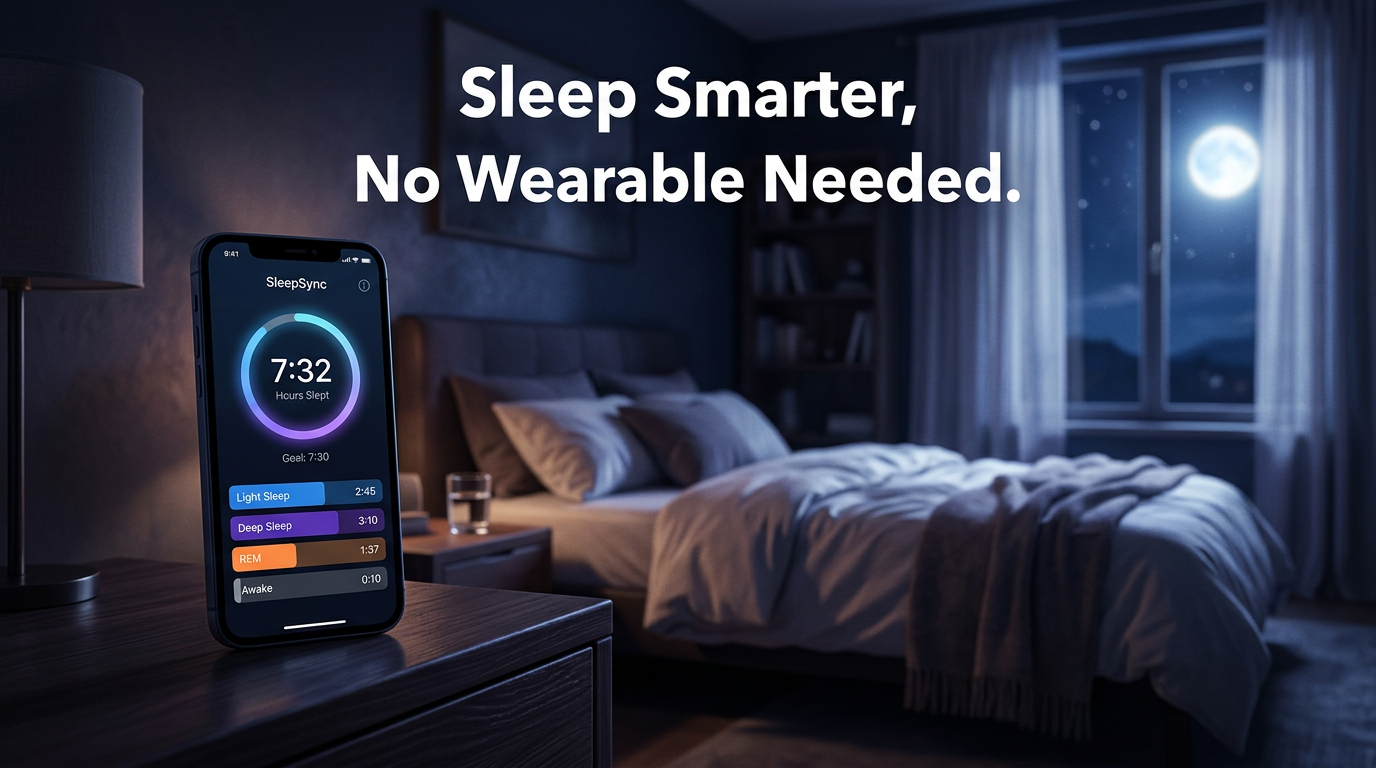
For those interested in monitoring sleep patterns without adding device-related stress to the bedroom, contactless sleep tracking options for iPhone users offer a lower-pressure way to gather data without sleeping with a wrist tracker on.
When DIY Strategies Aren't Enough — Professional Support for Sleep Anxiety
Self-directed strategies work well for many people, but there are situations where professional support is the more appropriate path. Seek help if you notice any of the following:
-
Sleep anxiety has persisted consistently for more than four weeks
-
You're experiencing panic attacks related to sleep or bedtime
-
Sleep problems are affecting your work, relationships, or physical health
-
Symptoms of depression have appeared alongside the sleep issues
-
You're relying on alcohol or sleep aids regularly to get through the night
Cognitive Behavioral Therapy for Insomnia (CBT-I) is the most evidence-backed treatment available for this condition. Multiple controlled studies show it produces more durable improvements than sleep medication for the majority of people with chronic insomnia and sleep anxiety. A trained therapist can work through the thought patterns and behavioral cycles that keep sleep anxiety active.
You can browse more practical guidance across related topics in the SleepWise articles library, which covers everything from AI-powered sleep monitoring to the science of sleep cycles.
Conclusion
Waking up at 3 AM gripped by anxiety is not a character flaw or a sign that something is permanently broken. It's a stress response — one that the brain has learned to trigger at a predictable and biologically vulnerable moment in the night. The good news is that learned responses can be unlearned.
The path forward has three core steps:
-
Interrupt the anxiety cycle using mindfulness techniques like the body scan, 4-7-8 breathing, or thought dumping — these work fast and require nothing but your attention.
-
Adjust your environment and daily habits to reduce the stimulation load your nervous system carries into sleep — especially phone-related disruptions and late-night stress exposure.
-
Release the pressure for perfect sleep — counterintuitively, accepting that some nights will be imperfect removes the performance anxiety that makes things worse.
Sleep isn't something you force. It's something you allow. The strategies in this article create the conditions where your brain feels safe enough to let go — and that's where genuine rest begins.
Content on SleepWise is written for educational purposes and does not constitute medical advice. If you have concerns about your sleep or mental health, consult a qualified healthcare provider.