 Sleep Tech & Wellness
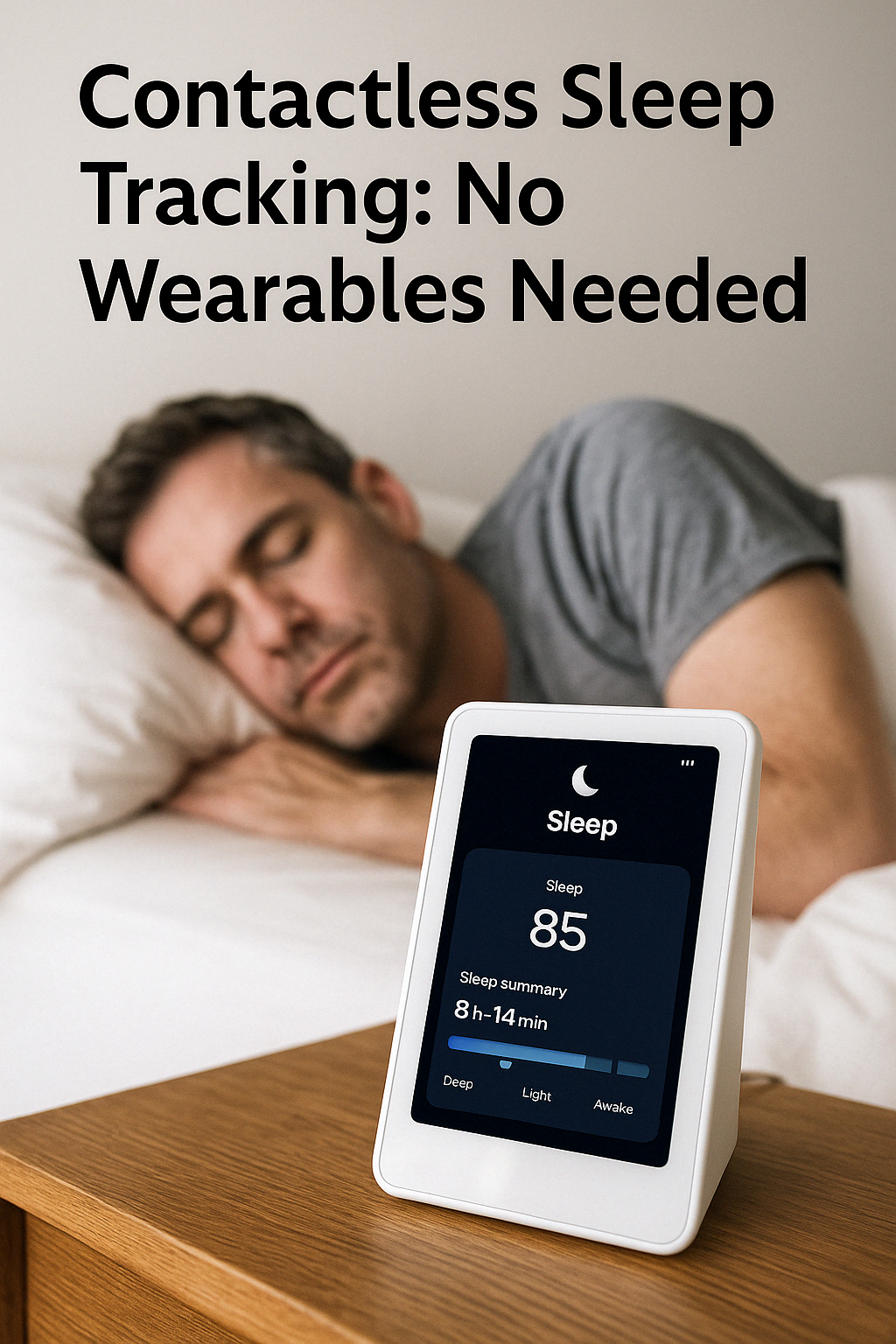
Contactless Sleep Tracking: No Wearables Needed
By Morgan Reed · Health and sleep science writer · Published April 20, 2025 · Updated March 24, 2026 · 7 min read
Hate sleep trackers you have to wear? You're not alone. Discover how contactless sleep tracking uses radar, infrared, and AI to monitor your rest—no gadgets attached. It's accurate, effortless, and may be the future of better sleep.
Contactless Sleep Tracking Without Wearables: How It Works, How Accurate It Is, and Whether It's Worth It
Millions of people want better sleep data but refuse to wear a tracker to bed. Wristbands slip. Smart rings feel odd. Headbands are simply uncomfortable. Contactless sleep tracking solves this problem by monitoring your rest from a distance — using radar, infrared light, pressure sensors, and AI-driven sound analysis — while you sleep completely undisturbed.
Key Takeaways
Question
Answer
What is contactless sleep tracking?
A method of monitoring sleep using radar, infrared sensors, microphones, or pressure pads — no device needs to touch your body.
What can contactless trackers measure?
Breathing rate, heart rate, body movement, sleep stages, snoring, and room environment — all without physical contact.
How accurate is contactless sleep tracking?
Sleep duration accuracy reaches 92–97% compared to lab polysomnography. Sleep stage detection sits around 70–80% and continues improving.
What devices use contactless sleep tracking?
Options include the Google Nest Hub (2nd Gen), Withings Sleep Analyzer, Eight Sleep Pod, and Sleep Number 360 smart mattresses.
Can I track sleep without any device at all?
Yes — contactless sleep tracking apps for iPhone use microphone and accelerometer data to monitor rest without any additional hardware.
Who benefits most from contactless tracking?
Anyone with sensory sensitivities, skin irritation from wearables, circulation issues, or simply a preference for uninterrupted sleep.
Is contactless sleep tracking the future?
Likely yes — AI improvements are rapidly closing the accuracy gap with lab testing, and prices are dropping as the technology matures.
How Contactless Sleep Tracking Actually Works
At its core, contactless sleep tracking relies on detecting the tiny physical signals your body produces during sleep — micro-movements from breathing, subtle shifts from your heartbeat, heat patterns, and sound — without any sensor being attached to you.
Each technology captures a different piece of the picture. More advanced systems combine multiple methods to build a fuller, more accurate profile of your night's rest. Understanding which technology sits inside a given device helps you choose the right one for your situation.
The four primary sensing methods are radar, infrared, acoustic (sound-based), and pressure-based detection. Each has distinct strengths and trade-offs that matter depending on your bedroom setup and what data matters most to you.

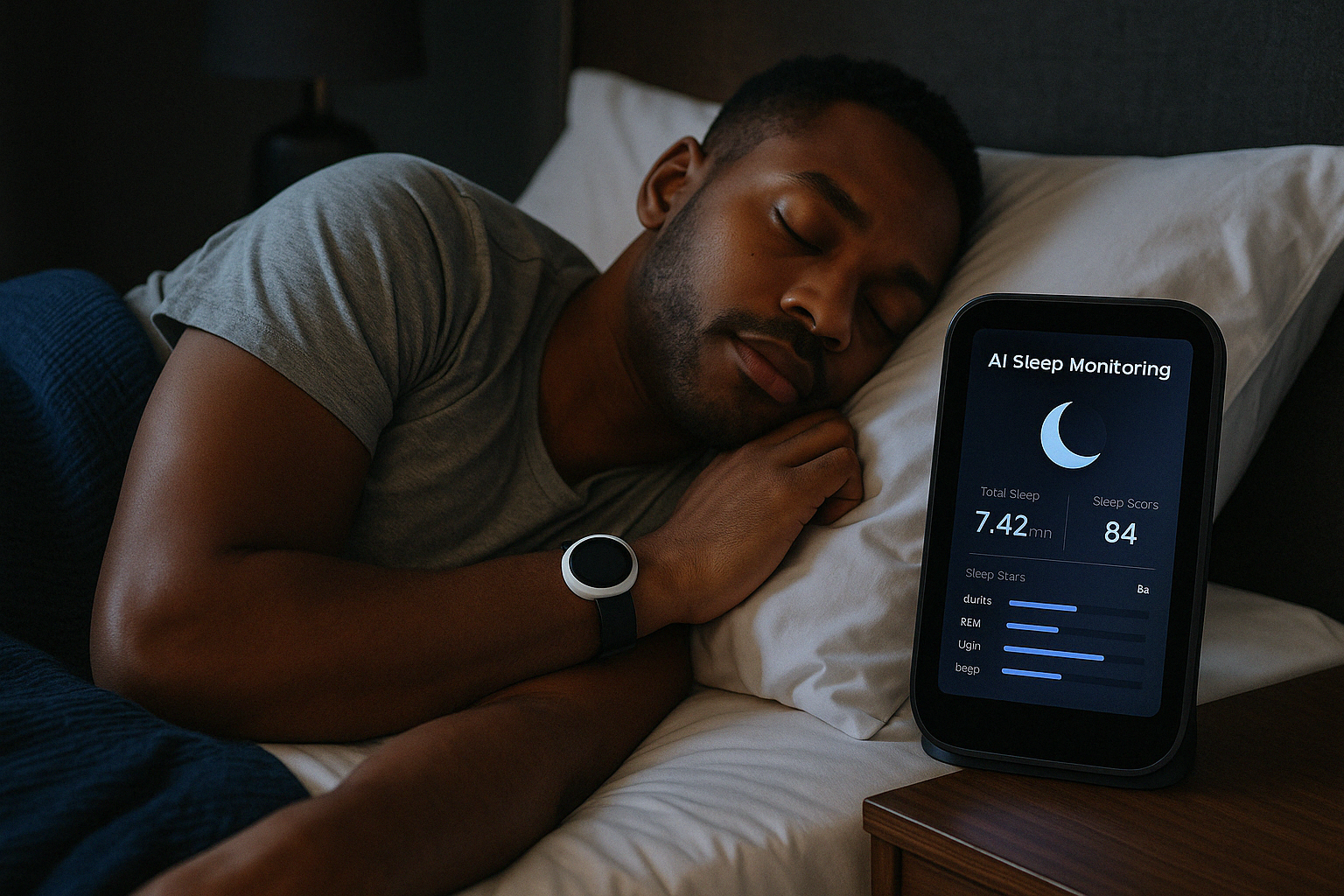
Radar, Infrared, Sound, and Pressure — The Four Core Technologies Explained
Radar-Based Sleep Tracking
Radar systems emit low-power radio waves that bounce off your body and return to a receiver. Because even breathing creates tiny, measurable chest movements, radar can detect respiratory rate and heart rhythm without touching you. It can even distinguish between different sleep stages based on movement patterns.
This technology is among the most capable for contactless monitoring. Radar-based systems have shown the strongest correlation with clinical polysomnography results in independent studies, particularly for breathing and heart rate measurements.
-
Detects micro-movements down to millimeter-level shifts
-
Picks up breathing rate and heartbeat vibrations through air
-
Can separate your signals from a partner's with advanced signal processing
-
Works through bedding and clothing without any calibration
Infrared Sensor Tracking
Infrared systems work by reading the heat your body emits as you sleep. Think of it as a simplified thermal camera pointed at your bed. These sensors detect when you roll over, get up, or shift position, and they track temperature fluctuations that correlate with different sleep states.
Infrared works in complete darkness, requires no audio input, and doesn't emit anything that could interfere with your environment. Its limitation is that it's less effective at measuring fine physiological detail like breathing rate without being paired with another sensing method.
Sound-Based (Acoustic) Sleep Tracking
Acoustic tracking uses a microphone — built into a bedside device or your phone — to listen for breathing patterns, snoring, and environmental noise while you sleep. AI models then map those sound signatures to specific sleep stages, recognizing the distinct breathing rhythms of light sleep, deep sleep, and REM sleep.
Sound-based systems are often the most affordable entry point into contactless tracking. Several smartphone apps use this approach effectively, making it accessible to anyone without extra hardware investment.
Pressure Sensor Tracking
Pressure-based systems use a thin pad placed beneath your mattress. As you breathe and your heart beats, these tiny mechanical forces transmit through your body, through the mattress, and into the sensor below. The system reads those pulse patterns and translates them into sleep data.
-
Completely invisible — nothing sits above the mattress surface
-
Tracks heart rate, breathing, and movement simultaneously
-
Compatible with virtually any mattress type
-
No charging required once installed
How Accurate Is Contactless Sleep Tracking Compared to Clinical Lab Tests?
The benchmark for sleep measurement accuracy is polysomnography (PSG) — the comprehensive lab test where technicians attach electrodes to your scalp, face, and body to record brain waves, oxygen levels, heart rate, and muscle activity simultaneously. No consumer device matches this level of detail.
That said, contactless trackers perform better than many people expect. Research comparing these devices to PSG results shows a clear accuracy hierarchy:
Metric
Contactless Accuracy vs. Lab PSG
Total sleep duration
92–97%
Sleep efficiency
85–90%
Sleep stage classification
70–80%
REM sleep detection
65–75% (weakest area)
Breathing rate
88–95% (radar performs best)
REM sleep detection remains the hardest challenge for contactless systems. Without reading brain electrical activity directly, inferring REM from movement and breathing patterns alone introduces uncertainty. AI improvements are narrowing this gap each year, but it's the honest limitation to be aware of right now.
"For most people tracking sleep at home, a 92–97% accuracy rate on total sleep duration is more than sufficient to identify patterns, spot problems, and measure whether changes are working."
Why People Choose Contactless Sleep Trackers Over Wearables
The reasons go well beyond comfort. Contactless systems solve genuine problems that wearable trackers create for a large segment of the population.
Wearables Can Distort the Data They're Collecting
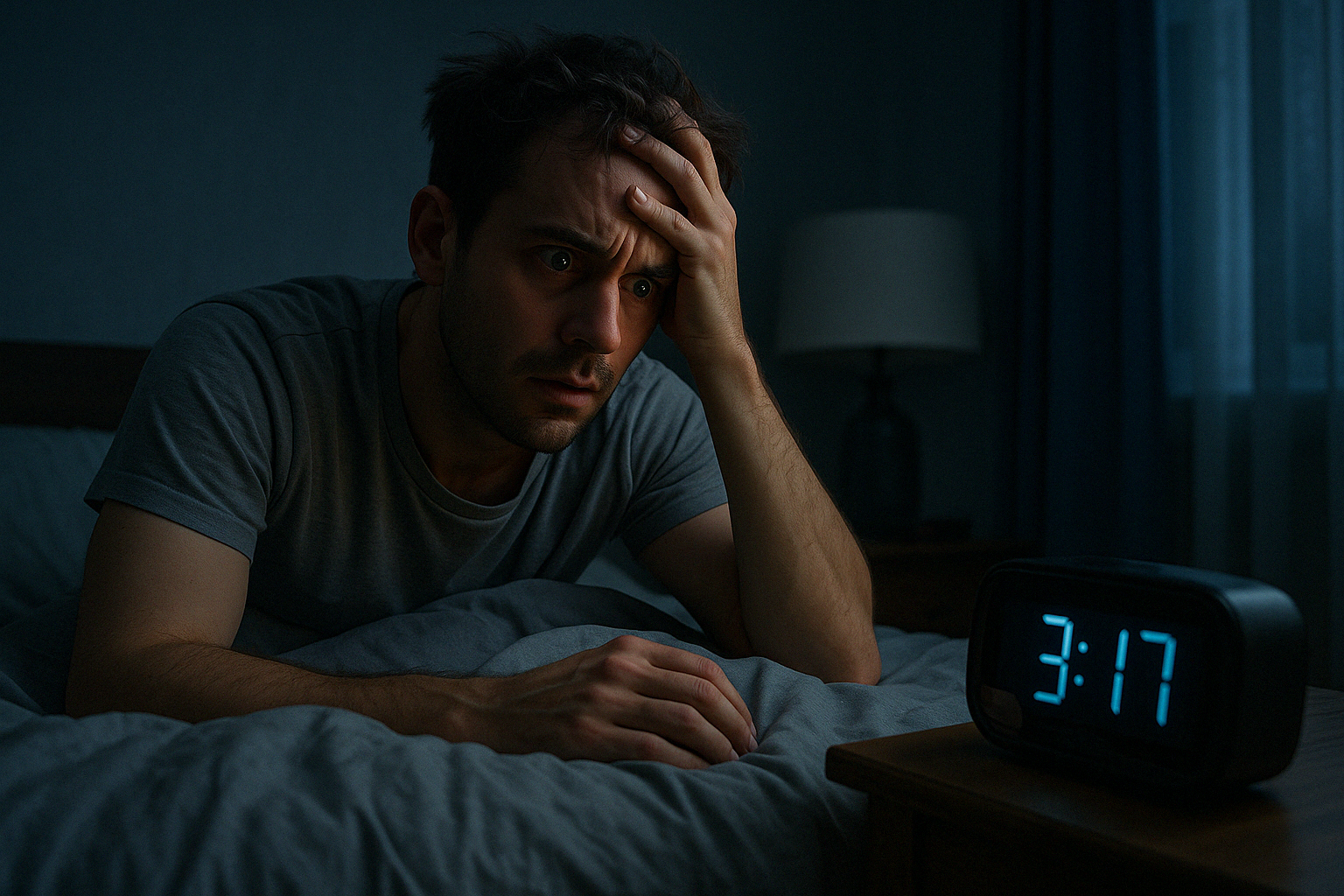
When you strap something to your wrist or finger before bed, you become aware of it. That awareness changes behavior — you may sleep more carefully, check the device mid-night, or feel anxious about your scores the next morning. This is a well-documented phenomenon sometimes called orthosomnia: a preoccupation with achieving perfect sleep metrics that paradoxically worsens sleep quality.
Contactless trackers remove this feedback loop entirely. Once the device is placed, you stop thinking about it.
Zero Daily Maintenance Required
Most wearable sleep trackers need daily or weekly charging. You need to remember to put them on before bed and take them off in the morning. Miss a night of charging and you lose that night's data. Contactless devices eliminate this friction completely:
-
No charging cycle tied to your bedtime routine
-
No remembering to wear something before sleep
-
No skin contact that might cause irritation over time
-
Data collection happens automatically every night
Accessible for People Who Can't Wear Trackers
Some people have no choice but to skip wearables entirely. Sensory processing differences make wearing anything on the wrist or finger genuinely uncomfortable. Skin conditions, eczema, or allergies to band materials rule out most devices. Circulation issues make tight-fitting rings medically inadvisable.
Contactless tracking opens sleep monitoring to anyone who has previously been excluded by these barriers. Understanding your sleep cycles doesn't require wearing hardware — and for many people, removing that requirement makes long-term tracking realistic for the first time.
The Best Contactless Sleep Tracking Devices Available Right Now
The market spans a wide price range, from affordable bedside gadgets to fully integrated smart mattresses. Here's where each option sits:
Google Nest Hub (2nd Gen) — ~$99
The Nest Hub uses Google's Soli radar chip to monitor sleep from your nightstand. It tracks breathing patterns, movement, and sleep duration without any subscription fee (the core sleep tracking feature is free). As a dual-purpose device, it also functions as a smart home display, making it easy to justify the cost even if you're unsure about sleep tracking.
It's widely regarded as the most accessible radar-based entry point currently available to consumers.
Withings Sleep Analyzer — ~$129
The Withings Sleep Analyzer is a thin sensor pad that slides under your mattress and connects to an app. It monitors sleep stages, heart rate, breathing patterns, and snoring throughout the night. Notably, it includes algorithms designed to detect signs of sleep apnea — a clinically meaningful feature at this price point.
It requires no interaction after initial setup and works with any mattress type or thickness.
Eight Sleep Pod — $2,000+
The Eight Sleep Pod is a premium smart mattress system built around biometric tracking and active temperature control. Sensors embedded in the mattress surface monitor heart rate, breathing, and movement while simultaneously adjusting the temperature of each side of the bed in real time to improve sleep quality.
It's a significant investment, but it combines the most capable passive tracking with active intervention — changing your sleep environment based on what the data shows throughout the night.
Sleep Number 360 Smart Bed — From ~$1,000
Sleep Number's 360 series tracks sleep metrics automatically while also adjusting mattress firmness based on your position and movement. The bed responds to both partners independently, modifying support levels throughout the night without any manual input.
Device
Technology
Approx. Price
Best For
Google Nest Hub 2nd Gen
Radar
~$99
Budget-friendly first step
Withings Sleep Analyzer
Pressure sensors
~$129
Under-mattress simplicity + apnea screening
Sleep Number 360
Pressure + biometrics
From ~$1,000
Couples with different firmness needs
Eight Sleep Pod
Multi-sensor + temperature
$2,000+
Maximum data + active optimization
Contactless Sleep Tracking Apps: Using Your Smartphone Without Extra Hardware
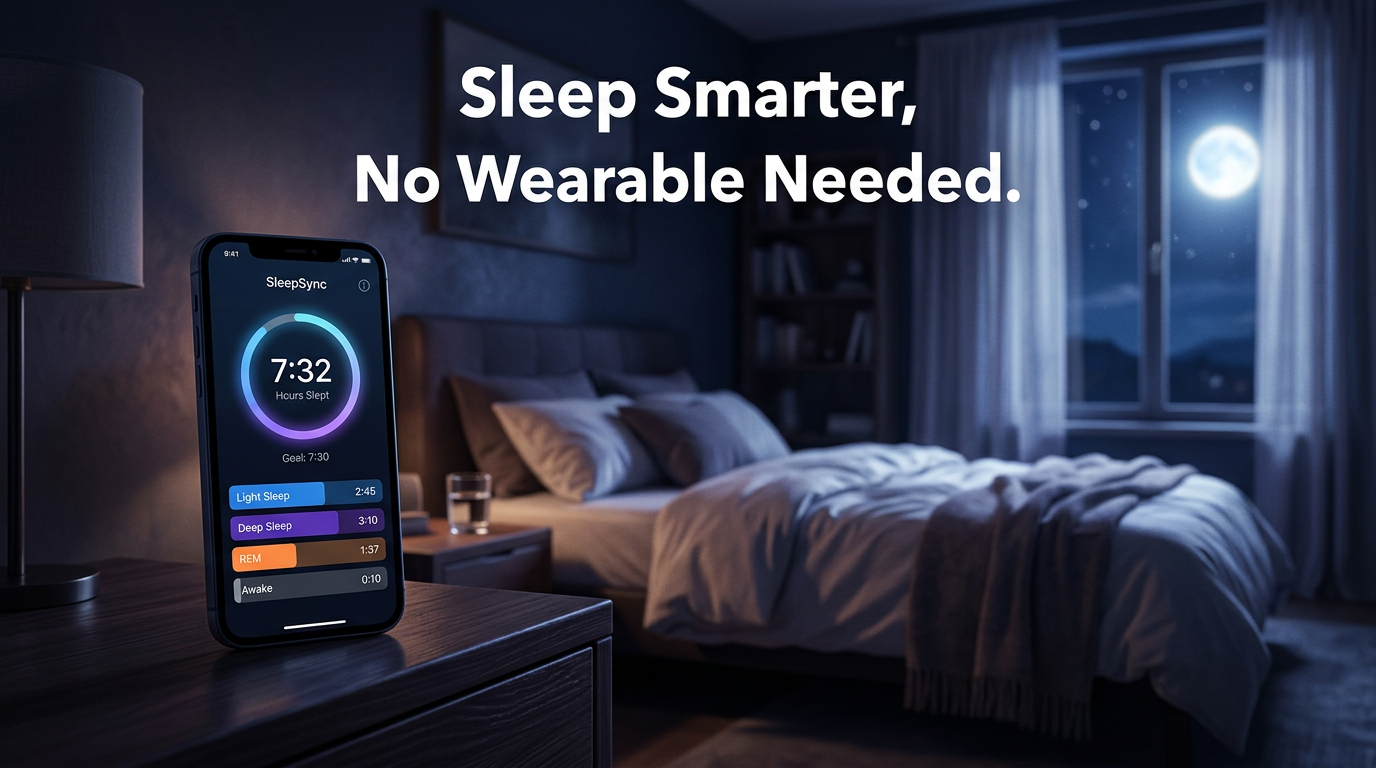
Not everyone wants to buy a dedicated device. Several smartphone apps turn your existing phone into a contactless sleep tracker using the built-in microphone and — where available — motion sensors. Apps like Sleep Cycle, SleepScore, Pillow, and BetterSleep all offer versions of this approach for iPhone users.
These apps analyze your breathing sounds and ambient noise to infer when you transition between sleep stages. They're less precise than dedicated hardware but cost nothing extra if you already own a compatible phone. For someone curious about their sleep patterns but not ready to invest in hardware, a sleep tracking app is a practical starting point.
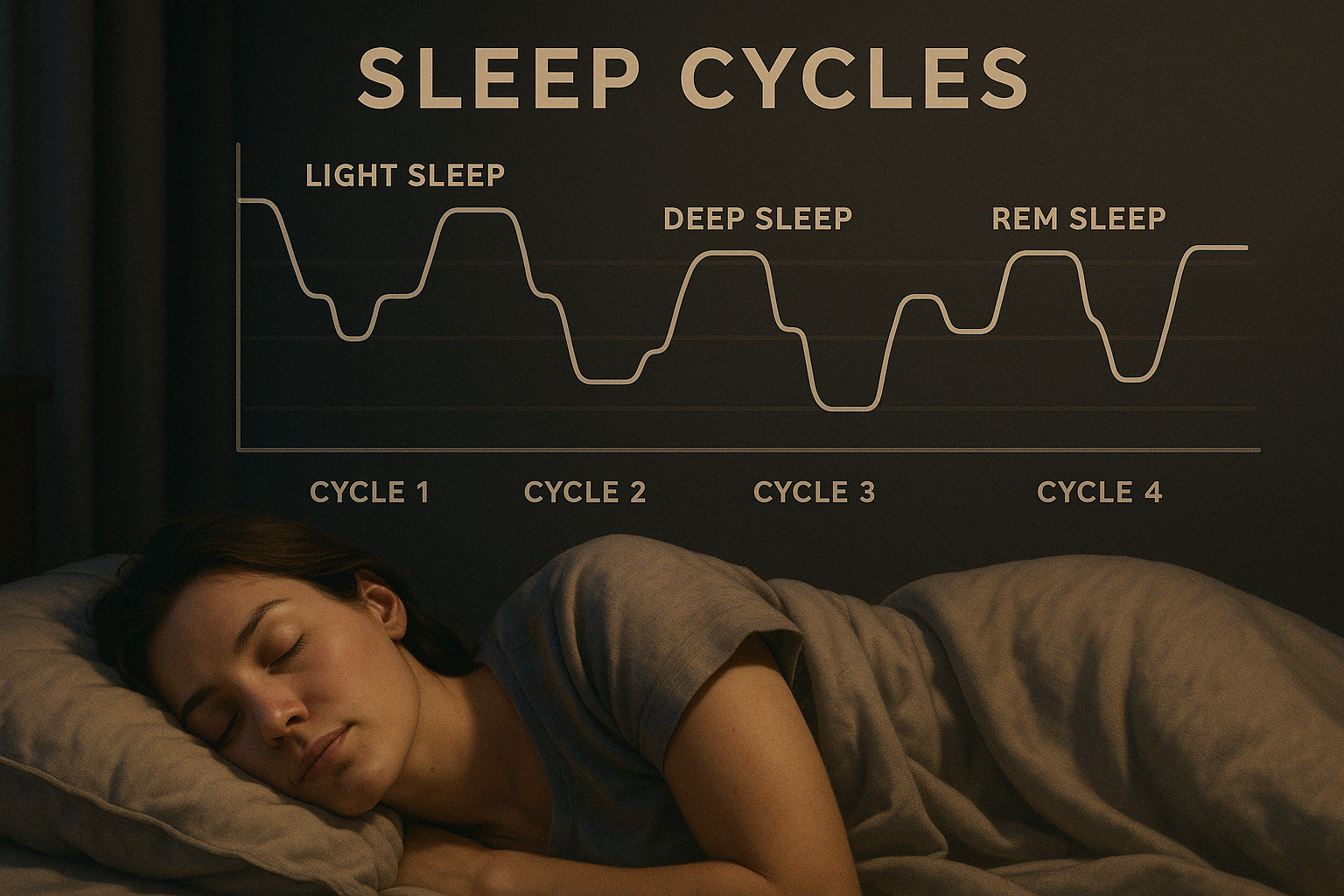
The core principle is the same as any contactless system: your body produces measurable signals during sleep, and software interprets those signals to build a picture of your night. Understanding what those stages mean — and how 90-minute sleep cycles structure your rest — makes the data from any tracking method significantly more useful.
The Real Drawbacks of Contactless Sleep Tracking
Contactless tracking offers genuine advantages, but it's not a perfect solution for everyone. Several factors can reduce accuracy or create practical complications.
Shared Beds and Pets Complicate Signal Isolation
When two people sleep in the same bed, most contactless systems struggle to isolate individual signals cleanly. A partner's breathing, movement, and heartbeat all appear in the data alongside yours. High-end radar systems handle this better than entry-level options, but it remains an acknowledged weakness across the category.
Pets sleeping in the bed compound this issue further. A dog or cat moving across the mattress registers as movement events that the system may attribute to you, skewing sleep efficiency and restlessness scores.
Environmental Factors That Interfere With Sensors
-
Electric blankets can interfere with both radar and pressure sensor readings
-
Very thick mattresses may reduce sensitivity of under-mattress pressure pads
-
Loud ambient noise (street noise, HVAC systems) can confuse acoustic tracking
-
Highly unusual sleep positions may fall outside a device's calibration range
Privacy and Data Ownership Questions
Sleep data is personal health data. Before purchasing any tracking system, it's worth asking specific questions about where your data is stored, whether it's shared with third parties, what happens to it if the company changes ownership, and whether you can permanently delete your records.
Always read the privacy policy before setting up an account. This applies equally to smartphone apps and dedicated hardware devices.
How AI Is Making Contactless Sleep Monitoring More Capable
The rapid improvement in contactless sleep tracking accuracy over the past five years is almost entirely attributable to advances in machine learning. Raw sensor data — radar reflections, pressure waves, sound frequencies — is complex and noisy. AI models trained on thousands of verified sleep studies learn to extract meaningful patterns from that complexity.
Modern systems do far more than simply categorize you as asleep or awake. They identify transitions between light sleep, deep sleep, and REM stages. They detect irregularities in breathing rhythm that may indicate disordered breathing. They build a baseline model of your individual sleep patterns over weeks and flag meaningful deviations from that baseline.
The next generation of capability focuses on predictive health monitoring — identifying signals in nightly sleep data that correlate with deteriorating health days or weeks before symptoms become obvious. AI-powered sleep monitoring is moving toward integration with broader health data including heart rate variability trends, glucose monitoring, and respiratory health metrics to provide a more complete physiological picture.
Who Should Actually Try Contactless Sleep Tracking?
Contactless sleep tracking is a strong fit for anyone in these situations:
-
You've tried wearables and found them uncomfortable — even mild discomfort compounds over weeks and usually leads to abandoning the tracker entirely
-
You want long-term sleep data without daily effort — passive tracking produces consistent data because there's nothing to forget or charge
-
You share a bed and want individual data — higher-end systems handle partner separation better than most wrist-based trackers
-
You have sensory sensitivities or skin conditions — contactless systems remove the physical constraint entirely
-
You're curious about sleep patterns but not yet ready to invest heavily — start with the Google Nest Hub or a smartphone app to see whether the insights are genuinely useful before spending more
The data is only useful if it leads to changes. If knowing that you consistently get less than 90 minutes of deep sleep prompts you to adjust your schedule or environment, the tracker has done its job. If you collect the data and ignore it, no device — contactless or otherwise — will improve your rest.
Tools like the SleepWise sleep cycle calculator pair well with any tracking approach, helping you plan bedtimes and wake times that align with natural 90-minute sleep cycle boundaries so you're working with your biology rather than against it.
Conclusion: Is Contactless Sleep Tracking Worth It?
Contactless sleep tracking is a practical, increasingly accurate alternative to wearable devices — and for many people, it's actually the better option. By removing the physical tracker from the equation, these systems collect data more passively, more consistently, and without altering the sleep behavior they're measuring.
The technology has real limitations. REM sleep detection isn't yet at clinical accuracy levels, shared beds create signal isolation challenges, and the most capable systems carry significant price tags. But the fundamentals — sleep duration, breathing patterns, heart rate, and movement — are measured well, and AI is pushing the accuracy ceiling higher each year.
If you've written off sleep tracking because you hate wearing things to bed, the contactless category deserves a fresh look. Start with something affordable, give it a few weeks to build a baseline, and evaluate whether the data helps you make better decisions about your sleep. The SleepWise approach has always been that better sleep starts with understanding what's actually happening during your night — and contactless tracking makes that understanding more accessible than ever.
Content on this page is educational and not a substitute for professional medical advice. If you have concerns about sleep disorders, consult a qualified healthcare provider. Contact SleepWise with any questions about our tools or articles.